Teacher orientation is one of the most important steps in preparing new educators for success in the classroom. While much of the focus during teacher orientation is often on curriculum and lesson planning, safety and compliance should be a top priority.
A well-structured teacher orientation program ensures that new staff understand the procedures, responsibilities, and support systems that keep both teachers and students safe. Schools that invest in thorough teacher orientation create a more confident workforce and a safer learning environment.
The following checklist highlights key areas that every effective teacher orientation program should include.
Emergency and Crisis Procedures in Teacher Orientation
One of the first responsibilities of teacher orientation is ensuring teachers understand how to respond during emergencies. When teachers know exactly what to do during critical situations, they can act quickly and confidently.
✔ Evacuation routes for classrooms and specialist learning areas
✔ Emergency assembly points and roll-call procedures
✔ Lockdown and shelter-in-place procedures
✔ Location of first aid kits and AEDs
✔ Identification of trained first aid officers
✔ Emergency communication procedures
Child Safety and Legal Responsibilities in Teacher Orientation
Child safety is one of the most important elements of teacher orientation. Schools must ensure that teachers clearly understand their safeguarding responsibilities and legal obligations when working with students.
✔ Mandatory reporting responsibilities
✔ Recognising signs of abuse or neglect
✔ The correct process for filing child protection reports
✔ Access to student medical alerts
✔ Emergency action plans for conditions such as anaphylaxis or asthma
✔ Supervision duties during recess, transitions, and excursions
Workplace Health and Safety in Teacher Orientation
Teacher orientation should also cover workplace health and safety requirements. This ensures teachers can identify hazards and follow proper procedures to prevent injuries.
✔ Safe manual handling techniques
✔ Specialist classroom safety procedures
✔ Chemical safety protocols for science labs
✔ Hazard and maintenance reporting processes
✔ Sun safety during outdoor supervision
✔ Hygiene and infectious disease protocols
Teacher Wellbeing and Psychological Safety
Teacher orientation should also introduce wellbeing resources and workplace support systems. Teaching can be a demanding profession, and schools have a duty of care to support staff wellbeing.
✔ Workplace bullying and harassment policies
✔ Clear reporting pathways for workplace concerns
✔ Employee Assistance Program (EAP) resources
✔ Staff wellbeing initiatives
✔ Mentor or buddy programs for new teachers
Technology and Digital Safety in Teacher Orientation
Modern classrooms rely on digital systems, making technology training an important part of teacher orientation.
✔ Access to learning management systems
✔ Student data privacy requirements
✔ Acceptable technology use policies
✔ Cyber safety guidelines
✔ Reporting procedures for digital safety concerns
Communication and School Procedures
Teacher orientation should also help new staff understand how the school operates day to day.
✔ Staff communication channels
✔ Timetable and scheduling systems
✔ Attendance recording procedures
✔ Parent communication expectations
✔ Staff meetings and internal processes
Why Effective Teacher Orientation Matters
A well-designed teacher orientation program does far more than just hand over policies or show new staff where the staffroom is. It is about creating an environment where teachers feel confident, informed, and truly supported from day one. Effective teacher orientation sets clear expectations, outlines roles and responsibilities, and helps new educators navigate the sometimes overwhelming first weeks of school with confidence. It is the foundation for how they will teach, collaborate, and build meaningful relationships with students, parents, and colleagues.
When teacher orientation thoughtfully addresses health and safety, legal responsibilities, technology systems, and staff wellbeing, schools are not just meeting compliance requirements they are investing in the long-term success of their staff and students. Teachers who feel prepared and supported are more likely to thrive in their classrooms, manage challenges effectively, and contribute to a positive school culture.
But the benefits do not stop there. Comprehensive teacher orientation also helps reduce turnover, boosts teacher satisfaction, and fosters a sense of belonging in the school community. When new teachers know what to expect and have access to the right resources and support networks, they can focus on what matters most, creating engaging lessons and safe, inclusive learning environments.
Why Online Onboarding Systems are Essential
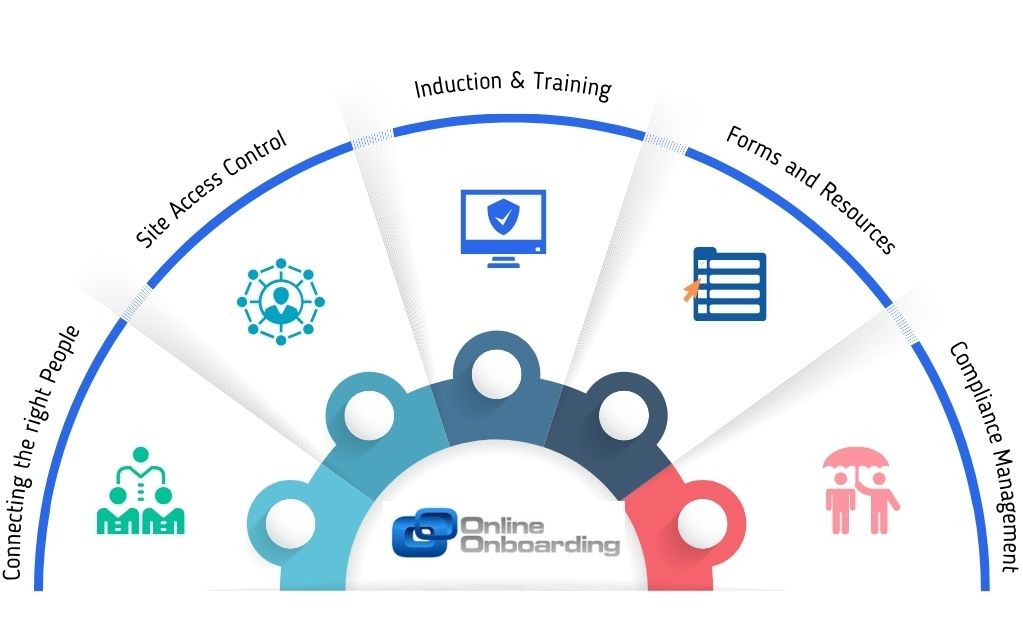
Modern schools are replacing bulky binders with streamlined Online Onboarding Systems to eliminate human error and ensure compliance. These platforms allow administrators to assign role-specific modules, ensuring a chemistry teacher receives lab safety training while a coach focuses on injury protocols. With automated tracking and built-in assessments, leadership can verify that critical safety content was actually understood instead of just viewed. Digital sign-offs create a permanent and timestamped record of policy acknowledgment which is essential for legal defense. Most importantly, online systems allow new hires to complete training before their first day so they arrive on-site prepared and focused on their students.
Core Features of an Online Onboarding System
To maximize the effectiveness of a teacher orientation program, the digital platform should include specific technical and administrative features. These tools transform a simple document repository into a dynamic safety management system.
Role-Based Logic: The system automatically filters content so that a physical education teacher receives outdoor safety modules while an administrative assistant receives office ergonomics training.
Knowledge Verification: Built-in quizzes and assessments confirm that teachers have actually synthesized high-stakes information like mandatory reporting protocols.
Policy Version Control: When state legislation or school policies change, updates can be pushed to all staff instantly to ensure everyone is operating under the same current guidelines.
Automated Compliance Dashboards: Administrators can view real-time data to identify which staff members have outstanding modules, preventing safety gaps before they lead to incidents.
Centralized Resource Library: Beyond initial orientation, the system serves as a searchable 24/7 hub where teachers can revisit emergency maps or well-being resources at any time.
Ready to Tranform Your Teacher Orientation?
Make onboarding effortless with an online system that guides, tracks, and supports new teachers from day one.
 Teacher orientation is one of the most important steps in preparing new educators for success in the classroom. While much of the focus during teacher orientation is often on curriculum and lesson planning, safety and compliance should be a top priority.
 Teacher orientation should also introduce wellbeing resources and workplace support systems. Teaching can be a demanding profession, and schools have a duty of care to support staff wellbeing.