Teacher Orientation Guide and Checklist: A Complete Guide
Starting a new teaching role is both exciting and overwhelming. Whether you are stepping into a classroom for the first time or joining a new school community, a well-structured onboarding process can make all the difference. This guide outlines the key stages and considerations to help new teachers settle in, feel supported, and hit the ground running.
Preparation before the school year begins sets the tone for everything that follows. New teachers should be given access to key resources and contacts well in advance so they arrive feeling informed, not overwhelmed.
• Send a welcome pack including the staff handbook, timetable, and school policies.
• Assign a mentor or buddy teacher from the same faculty or year group.
• Provide access to the school's learning management system and email accounts.
• Share a campus map, parking information, and key contact details.
• Confirm HR paperwork, payroll setup, and mandatory compliance training requirements.
The first week should focus on orientation and relationship building rather than diving straight into full teaching load. New staff need time to find their feet, understand the culture, and meet the people they will be working alongside every day.
• Introduce the new teacher to the leadership team, support staff, and faculty colleagues.
• Run a tour of key facilities including classrooms, staffrooms, resources rooms, and administration.
• Walk through timetabling, duty rosters, and lesson planning expectations.
• Explain communication norms inlcuding how staff connect with parents, students, and each other.
• Discuss behavior management frameworks and whole-school approaches to student well-being.
Curriculum and Classroom Preparation
New teachers need a clear understanding of what they are teaching and how the school expects it to be delivered. This is especially important in the first term when routines are still being established.
• Provide access to scope and sequence documents, unit plans, and past assessments.
• Clarify expectations around lesson planning, programming formats, and submission timelines.
• Share the school's assessment and reporting calendar.
• Review marking rubrics, moderation processes, and grade descriptors.
• Outline any co-teaching, team-teaching, or collaborative planning arrangements.
Mentoring and Ongoing Support
Onboarding does not end after week one. A structured mentoring program throughout the first year helps new teachers grow in confidence, reflect on their practice, and feel genuinely supported by the school community.
• Schedule regular check-ins between the new teacher and their assigned mentor.
• Offer classroom observation opportunities both observing experienced teachers and being observed.
• Provide access to professional learning opportunities aligned to the teacher's goals.
• Create a safe space for questions, concerns, and honest feedback without judgment.
• Review progress at the end of each term and adjust support as needed.
Understanding School Culture and Community
Every school has its own culture, values, and unwritten norms. Helping new teachers understand and connect with this culture accelerates their integration and builds a sense of belonging.
• Share the school's vision, strategic plan, and core values.
• Explain traditions, signature events, and how the school community celebrates success.
• Encourage participation in staff social activities and whole-school events.
• Discuss the school's relationship with its parent community and local area.
• Highlight school diversity and inclusion policy and procedures.
Professional Registration and Compliance
All teachers must meet the professional registration requirements for their state or jurisdiction. Ensuring new staff are across these obligations from day one protects both the teacher and the school.
• Confirm current teacher accreditation status with the relevant authority .
• Ensure Working with Children checks or equivalent clearances are current and on file.
• Complete mandatory training in child protection, anaphylaxis, and emergency procedures.
• Outline the process and timeline for progressing from Provisional to Proficient accreditation.
• Assign a supervising teacher to support the accreditation evidence-gathering process if required.
End of Term Review
A formal check-in at the end of the first term gives both the new teacher and school leadership a chance to reflect on how the onboarding process has gone and identify any areas that need additional attention.
• Conduct a structured conversation covering workload, well-being, and professional confidence.
• Review progress toward any accreditation or probationary milestones.
• Gather feedback on the onboarding process itself to improve it for future appointments.
• Set goals for the following term with clear support strategies in place.
• Celebrate early wins and acknowledge the growth the teacher has demonstrated.
How Online Onboarding Sets New Staff Up for Success
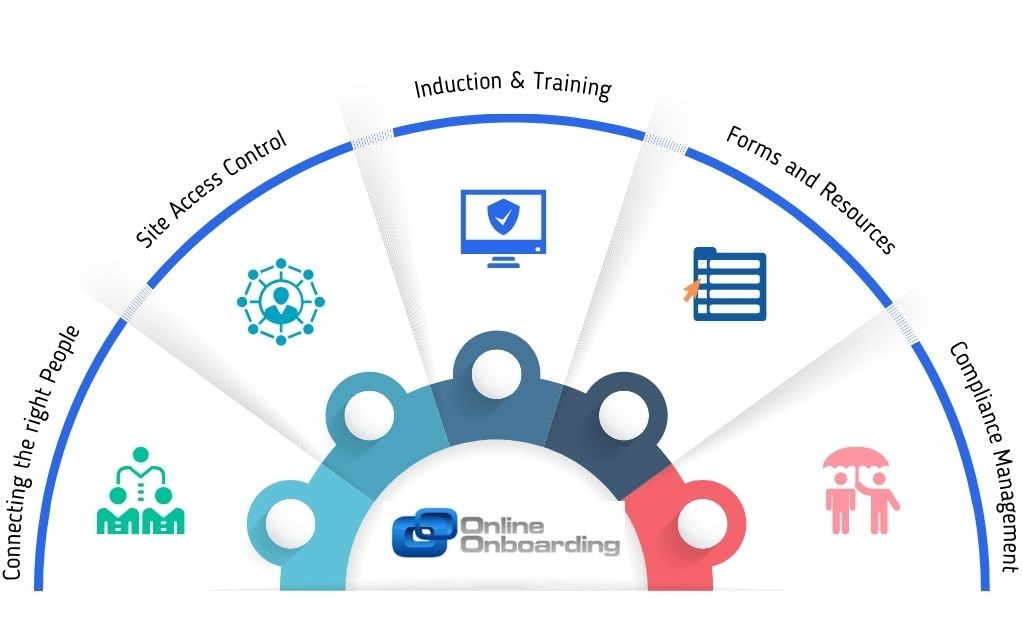
The first days in a new school are crucial for any teacher. Our Online Onboarding platform ensures new staff start with confidence, clarity, and connection. From the moment they receive their welcome, everything they need such as handbooks, timetables, policies, curriculum guides, and staff directories is available in one central hub. Resources can be explored at their own pace and revisited whenever needed.
The system makes induction structured and engaging. Schools can deliver welcome videos, team introductions, virtual tours, and community events in a thoughtful sequence. Every new teacher receives the same high-quality introduction, building connection and confidence from day one.
Mandatory and optional training is simple to manage. The platform tracks training completion, sends reminders for upcoming modules or expiring certifications, and keeps a record of compliance obligations. Licence and certification tracking is automated, ensuring required credentials are up to date. Compliance steps such as policy acknowledgements are embedded in the workflow, creating a clear, auditable record for both staff and school leadership.
Real-time reporting gives full visibility into each teacher’s onboarding journey, allowing proactive support and continuous improvement. With Online Onboarding, schools bring together induction, training, compliance, reminders, and reporting into a single connected experience, setting new staff up for long-term success.
A thoughtful onboarding experience is one of the most powerful investments a school can make. When new teachers feel welcomed, informed, and genuinely supported, they are far more likely to thrive and to stay.
Ready to Tranform Your Teacher Orientation?
Make onboarding effortless with an online system that guides, tracks, and supports new teachers from day one.
 Starting a new teaching role is both exciting and overwhelming. Whether you are stepping into a classroom for the first time or joining a new school community, a well-structured onboarding process can make all the difference. This guide outlines the key stages and considerations to help new teachers settle in, feel supported, and hit the ground running.
 Onboarding does not end after week one. A structured mentoring program throughout the first year helps new teachers grow in confidence, reflect on their practice, and feel genuinely supported by the school community.