|
In today’s rapidly evolving work environment, understanding the importance of a safety onboarding course cannot be overstated. This crucial component of workplace integration ensures that new employees are not only aware of the potential hazards they may encounter but are also equipped with the necessary knowledge to navigate these challenges effectively. A safety onboarding course serves as an introductory framework designed to familiarize individuals with company-specific safety protocols and procedures. By participating in this initial phase, employees gain a comprehensive overview of their responsibilities concerning health and safety, which is integral to maintaining a secure and efficient workplace.
Why should Businesses Invest in a Comprehensive Safety Onboarding Course?
Creating an effective online onboarding experience is a must have for any new hire process. This is their first entry point towards joining your organisation and a critical piece for establishing a good company culture and preparing the new employee for their first day on the job. This might be part of your overall Onboarding Playbook and include a New Hire Checklist.
|
In this Article
Essential Topics Within a Modern Safety Onboarding Course Related Resources New Hire Onboarding Checklist Employee Onboarding Checklist |
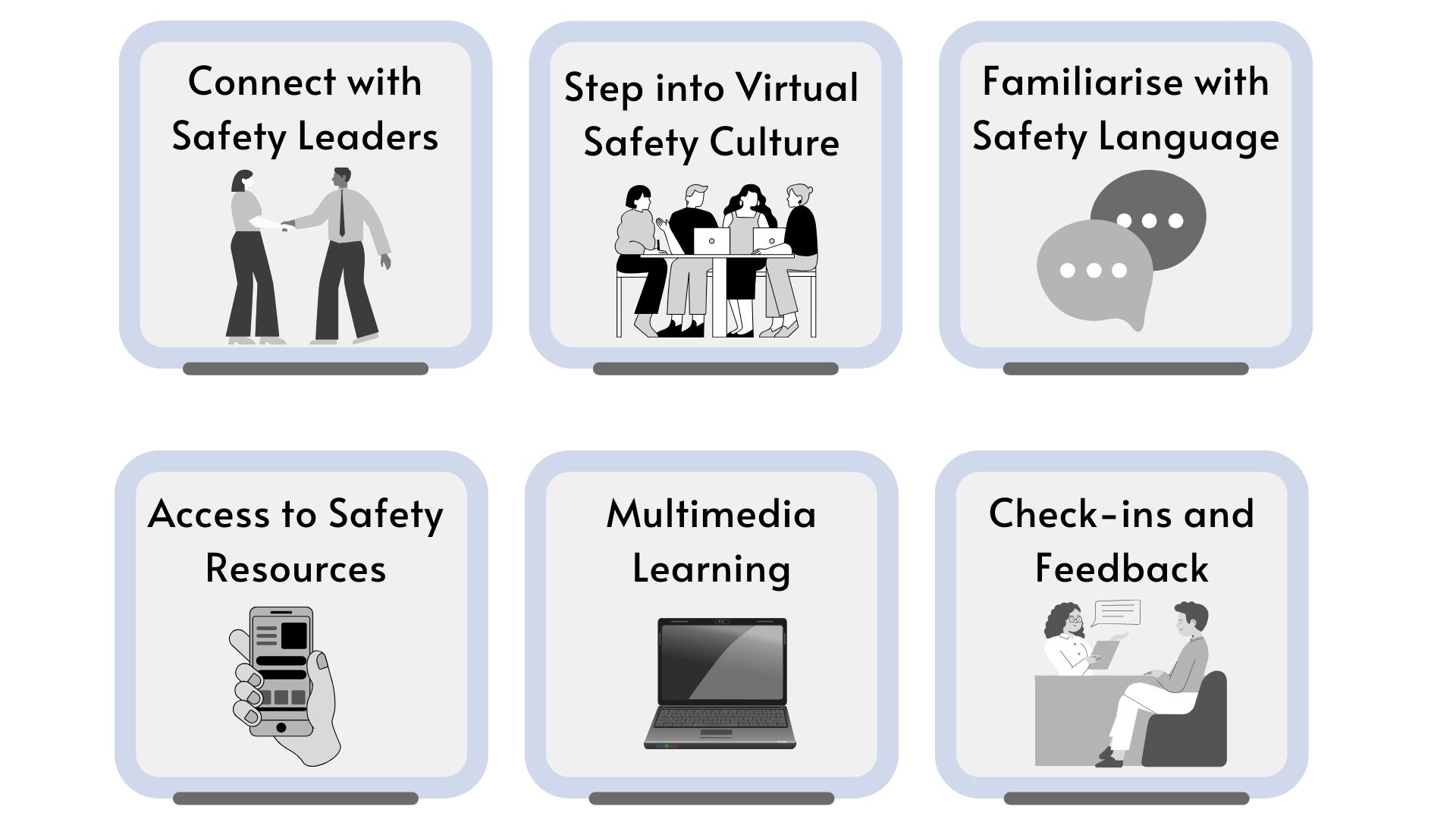 There are many ways the team in charge of the safety onboarding processes can use to make them have the best experience ever. These tips will make your new hire onboarding process an unforgettable experience.
Digitally connect new hires with their teams and safety leaders. Introducing new employees to key colleagues and safety officers via online platforms reduces anxiety and fosters early engagement.
Familiarize them with organizational safety language. Every workplace has unique safety terms, procedures, and acronyms. Providing resources and glossaries helps new hires understand and follow protocols confidently.
Communicate safety values and culture. Share your organization’s commitment to workplace safety and best practices to reinforce its importance from the start.
Offer a personal, interactive approach. Tailor the induction to include virtual check-ins, interactive modules, and scenario-based learning to create a more engaging experience.
Build a strong virtual safety culture. Use digital tools, gamified learning, and discussion forums to encourage collaboration and continuous learning around safety topics.
Track progress and provide feedback. Use online learning platforms to monitor completion, assess understanding, and give personalized feedback to reinforce safety knowledge.
Leverage multimedia learning. Incorporate videos, animations, and interactive quizzes to make safety content more engaging and easier to retain.
Having an efficient and effective online onboarding process is essential for the growth of the organization. Ensure that you have whatever is needed to get your new hire to feel comfortable and conversant with the organization to avoid losing top talents.
 With the current advancement in technology, having a pile of documents waiting for the new hire to come and sign is way behind. It's more efficient when you send the papers to the employee beforehand for electronic signatures. After they receive the job offer, grant them access to the online onboarding portal to get informed about the organization.
1. Safety Culture & Philosophy: Understanding management commitment, safety mission, and the employee's role in the safety management system.
2. Emergency Action Plan (EAP): Evacuation routes, alarm signals, assembly points, and the role of designated personnel.
3. Fire Safety & Extinguisher Use: Fire classifications, prevention measures, and hands-on training for using fire extinguishers (P.A.S.S.).
4. Incident & Near Miss Reporting: Detailed instruction on how to report, the importance of reporting near misses, and the investigation process.
5. First Aid Procedures & Kits: Location and contents of First Aid Kits, procedure for calling for medical help, and reporting first aid treatment.
6. Hazard Communication (HAZCOM): Understanding container labeling, accessing and interpreting Safety Data Sheets (SDS), and chemical segregation rules.
7. Personal Protective Equipment (PPE): Selection, fitting, inspection, maintenance, and storage requirements for all job-specific PPE.
8. Slips, Trips, and Falls Prevention: Hazard recognition (spills, poor lighting, obstacles) and corrective action procedures (cleaning up, reporting).
9. Workstation Ergonomics: Proper setup of desk, chair, monitor, and keyboard to prevent Musculoskeletal Disorders (MSDs).
10. Manual Material Handling & Lifting: Training on safe lifting practices, assessing load weight, and utilizing mechanical aids when needed.
11. Tool and Equipment Safety: Pre-use inspection requirements and safe operating procedures (SOPs) for hand and power tools.
12. Lockout/Tagout (LOTO) Awareness: Understanding the purpose of LOTO, who is authorized, and the dangers of stored energy.
13. Electrical Safety: Identifying damaged cords, safe use of power boards, grounding requirements, and respecting electrical panels.
14. Housekeeping and Orderliness: The importance of maintaining a clean and clear work area to reduce all types of hazards.
15. Workplace Violence & Harassment: Policy review, steps for reporting threats or incidents, and maintaining respectful conduct.
16. Contractor Safety Protocol: Understanding the rules for contractors on site and interaction/separation protocols (if applicable).
17. Emergency Communication: Procedures for internal alerts (e.g., severe weather, security threats) and using radios or internal communication systems.
18. Driving/Vehicle Safety (If Applicable): Rules for operating company vehicles, defensive driving techniques, and fleet maintenance checks.
19. Security Awareness: Procedures for challenging unauthorized persons, securing valuables, and protecting sensitive information.
20. Safety Reporting & Feedback Loop: How to participate in safety meetings, submit safety suggestions, and access safety training records.
Ready to try setting up an online safety onboarding course?
Create your own custom safetyonboarding workflows: