An Onboarding Playbook is a systematic guide detailing tasks that need completing when bringing on board someone at different points day-to-day or as they move along in their career path with your organization. This could range from preparation of desk setup prior to arriving right through to activities designed around warmly welcoming them before they step foot into work each morning - anything needed so that their first few weeks or months are organized properly and expectations are clear from the start.
Onboarding playbooks have numerous benefits including achieving better results faster; ensuring consistency across departments; making sure data is managed securely against any HR regulations you may have. In essence, taking some extra time upfront really pays off once you launch into working together over time - by avoiding costly later confusion or disorganization issues due its inception early on throughout the whole hiring process enable teams become more agile in helping make decisions quicker or reallocating resources nearly effortlessly with fewer hiccups!
View Onboarding Templates, Forms and Examples
Preparing Your Onboarding Playbook
Optimizing your onboarding process for new hires can make a world of difference in how quickly they become productive and successful members of the team. But, before you start onboarding, you need to have an organized checklist that covers off all relevant areas. From orientation processes to introducing company culture, here's some ideas on what should be included in an onboarding playbook checklist.
Before diving into the specifics of your employee's first few weeks or months on the job, focus on ensuring the basics are covered: What paperwork do they need? Which safety protocols must be explained? Answering these questions will create a foundation for introducing them to their colleagues and tasks ahead. Depending upon federal regulations depending on where you work, this could include citizenship forms, health appraisals and more; research what documents will need to acquired by both employer and employee before their first day starts in order for everything to run smoothly from then onwards.
Your onboarding playbook checklist should also cover topics like explaining company culture - which often means providing information about management structure as well as benefits packages offered - setting out clear expectations throughout different roles (for example if some positions come with flexible hours), detailing computer access details such as passwords or other information needed as well as presenting feedback via unofficial channels so employees feel comfortable coming forward when something needs further discussion beyond official lines with HR reps or managers who understand how those particular workspaces flow better than any formal handbook might explain it.
Sample Steps to In Your Include Onboarding Playbook
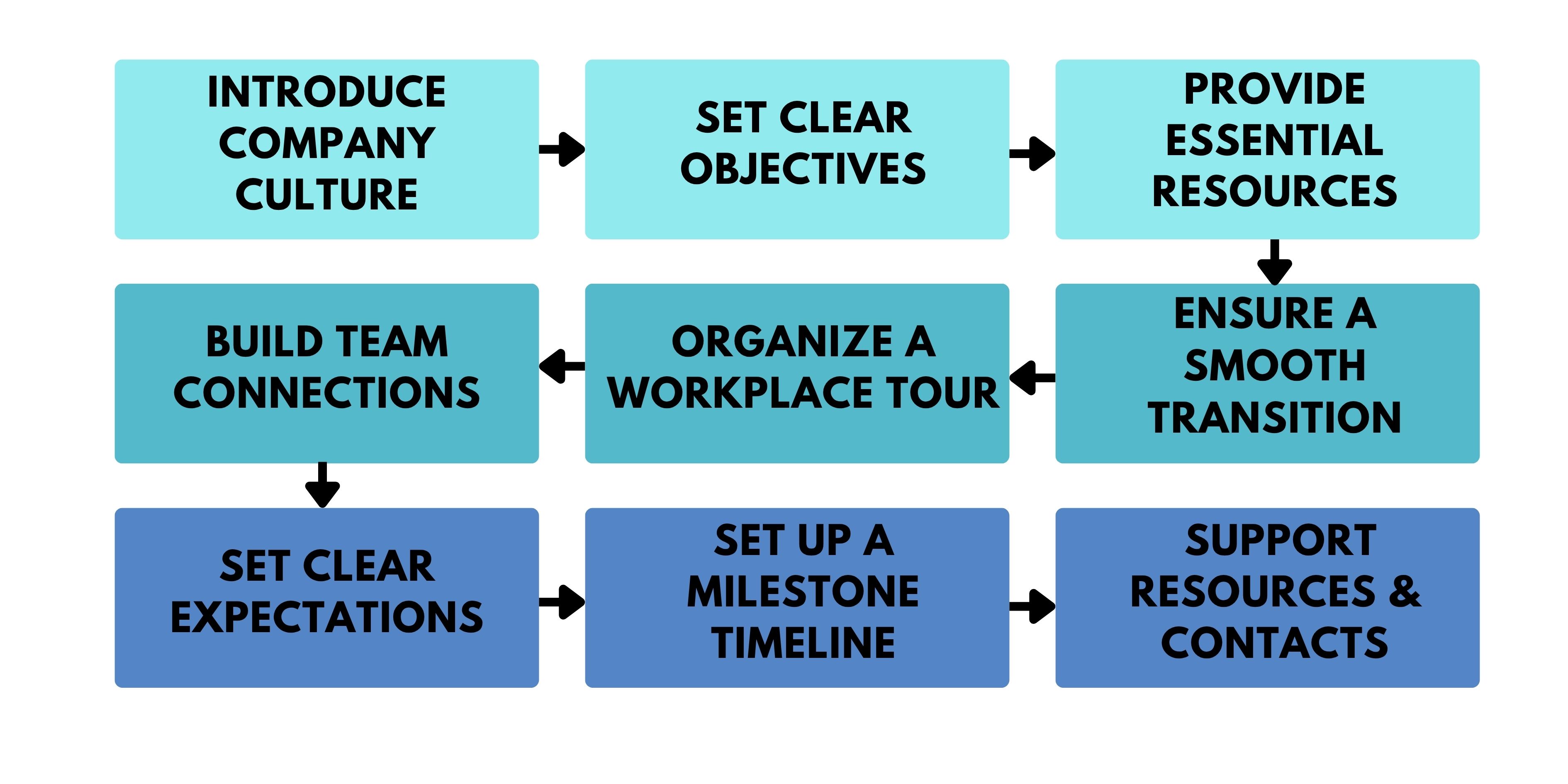
- Welcome new employees by presenting an overview of company culture, including guiding principles, mission and values.
- Setting clear objectives such as target goals, performance objectives, and career path goals.
- Provide essential resources and tools to make sure the new hire has access to technology (such as laptops and phones), data, applications, and other fundamental resources.
- Connect with colleagues by scheduling sessions with leaders from different departments to get acquainted and build a sense of community.
- Organizing a tour so you can walk the new hire through the office space to familiarize them with the new environment.
- Set up a successful first day by planning and providing everything the new hire needs to feel prepared, comfortable, and ready to contribute from day one.
- Set clear expectations and discuss general office etiquette, workplace conduct, dress standards and performance guidelines.
- Setting up a timeline of milestones and tasks, such as required online courses and trainings, performance targets and check ins.
- Make sure the new hire knows there is a help desk, HR advice line, or mentor available if needed.
Upgrade Your Onboarding Playbook with These Ideas
When it comes to welcoming a new hire, having a well-structured onboarding playbook is essential for getting them up to speed and integrated into the company. A successful onboarding process can set the tone for a new employee's entire experience with the organization. It's important to consider a variety of approaches and strategies when developing an onboarding playbook, in order to cater to the unique needs and preferences of different employees. By incorporating diverse ideas and techniques into the onboarding playbook, you can create a comprehensive and effective resource that will help new hires feel supported and empowered as they transition into their new roles.
One idea for an onboarding playbook is to include a detailed schedule of training sessions and orientation activities, along with relevant resources and materials. This can provide new hires with a clear roadmap for their first few weeks on the job, helping them feel more confident and informed about what to expect. Additionally, incorporating interactive elements such as team-building exercises or group projects can foster a sense of camaraderie among new employees, encouraging collaboration and relationship-building from the start.
Another valuable addition to an onboarding playbook is personalized support and mentorship opportunities. Pairing each new hire with a designated mentor or buddy within the company can offer them individualized guidance and support as they navigate their role and responsibilities. This approach helps new employees feel more connected to their colleagues, while also facilitating knowledge transfer and skill development in a personalized way.
In addition to traditional training materials, consider including multimedia resources such as videos or podcasts in the onboarding playbook. These dynamic formats can engage new hires in different ways, catering to various learning styles and preferences. Providing access to diverse forms of content can enhance the overall onboarding experience by offering engaging and informative resources that resonate with different individuals.
Some common ideas in your onboarding playbook might also include:
- Creating automated pre-day 1 and post-day 1 onboarding workflows to help ensure new hires have a seamless start, feel supported during the early days and recieve all the necessary resources from the first moment they join the company.
- Linking online onboarding courses into the onboarding process to help employee learn key workplace topics, understand company policies and complete training at their own pace. This can reduce confusion and equip employees with the knowledge they need to hit the ground running.
- Building in onboarding workflows around co-worker nudges, check ins and follow ups to make sure the people around a new staff member are accountable and called to action at the right time.
- Putting in place onboarding journeys that are role specific or even job task specific. This approach helps employees quickly understand expectations, build relevant skills, and contribute confidently to their team from the beginning.
Ready to start creating your own online onboarding playbook?
 An Onboarding Playbook is a systematic guide detailing tasks that need completing when bringing on board someone at different points day-to-day or as they move along in their career path with your organization. This could range from preparation of desk setup prior to arriving right through to activities designed around warmly welcoming them before they step foot into work each morning - anything needed so that their first few weeks or months are organized properly and expectations are clear from the start.