The Ultimate Guide to Contractor Prequalification Forms: 2026 Standards
In today's high-stakes industrial and construction landscapes, your safety record and operational resilience are only as strong as your least-compliant contractor. Whether you are managing a massive infrastructure project, a high-voltage utility site, or a complex manufacturing facility, the contractor prequalification form is your primary defensive measure.
In 2026, the expectations for contractor vetting have moved far beyond simple insurance checks. Prequalification has evolved into a rigorous, data-driven methodology designed to mitigate financial, legal, and environmental risks long before a vendor arrives on-site. This guide explores the anatomy of a gold-standard prequalification process and why digital transformation is the only way to remain compliant in a modern regulatory environment.
Contractors move between sites, work in unfamiliar environments, and often operate without the same level of oversight as permanent staff. They may not know where the emergency exits are, who to report to if something goes wrong, or whether the induction they completed six months ago is still valid. Without a reliable sign-in process, there is no way to know if the right people have the right information before they start work. Every day that a contractor steps onto your site without a proper record being captured is a day where the risk to their safety, and your liability, goes unmanaged.
What is a Contractor Prequalification Form?
A contractor prequalification form is a formal, standardized document used by hiring organizations to vet third-party vendors, suppliers, and subcontractors. The objective is to verify that the contractor possesses the financial stability, safety track record, and technical expertise required to perform work without exposing the hiring client to undue risk.
By implementing this form, procurement and safety teams can filter out "high-risk" vendors early in the bidding cycle. This proactive approach ensures that only partners who meet your organization's minimum safety and quality thresholds are invited to participate in the tender process.
The Contractor Questions Every Site Manager Should Be Able to Answer
If you manage contractors, these are the questions worth sitting with. Can you pull up a complete record of every contractor who attended your site in the last 30 days? If a contractor was involved in an incident, could you confirm exactly when they signed in and whether their inductions were current? If a regulatory body requested your contractor records tomorrow, would you feel confident handing them over? If your answer to any of these is uncertain, your current process has a gap worth addressing.
The Legal and Financial Stakes of Prequalification
The importance of a robust prequalification process is underscored by the rise of the "Negligent Hiring" doctrine in corporate law. In 2026, if an unqualified contractor causes a major incident on your premises, your organization can be held legally liable for failing to exercise "due diligence" during the selection process.
A digital, time-stamped contractor prequalification form serves as your primary legal shield. It shifts the narrative from "we assumed they were safe" to "we verified their compliance against industry standards." From a financial perspective, the value is equally clear:
Litigation Defense: The average cost of a workplace fatality lawsuit today can exceed $3.5 million. A documented vetting process is a critical factor in liability defense.
Operational Continuity: Prequalification helps identify contractors at risk of insolvency. Hiring a firm that goes bankrupt mid-project leads to project delays, "stop-work" orders, and massive liquidated damages.
Insurance Optimization: Demonstrating a rigorous contractor management system often allows organizations to negotiate lower premiums with General Liability and Excess Umbrella carriers.
The "Pre-Task" vs. "Pre-Qualification" Distinction
It is essential for EHS managers to distinguish between a contractor prequalification form and a site induction. While they are related, they serve two different layers of the compliance stack:
Prequalification (The Macro View): This is a corporate-to-corporate vetting process. It evaluates the company's health, its safety culture, its EMR scores, and its overall management systems. This usually occurs annually.
Site Induction & Onboarding (The Micro View): This happens at the individual worker level. It verifies that specific employees have the correct trade licenses, site-specific safety training, and medical clearances for the task at hand.
Modern onboarding software bridges these two layers. If a company's insurance expires or their prequalification status is revoked, the system should automatically "lock out" their individual workers from checking into your sites via digital badges or QR codes.
Why Prequalification is Moving Online in 2026
Traditional PDF or paper-based prequalification forms are increasingly considered a liability. They are static, prone to manual entry errors, and nearly impossible to analyze for trends across a large supply chain. Leading organizations have transitioned to online onboarding and prequalification software to achieve the following:
Automated Expiry Alerts: Digital systems track the "shelf life" of insurance policies and licenses. Instead of a manual spreadsheet check, the software automatically triggers notifications to the contractor 30, 60, and 90 days before an expiration date.
Conditional Logic Workflows: Online forms can be dynamic. If a contractor selects "Electrical High Voltage" as their trade, the form instantly updates to require specific arc-flash training records. If they select "Janitorial Services," those high-risk fields remain hidden, reducing form fatigue and improving completion rates.
Centralized "Single Source of Truth": Procurement, Safety, and Site Managers all have access to a single dashboard. There is no confusion over whether a contractor is "approved" or "pending."
Real-Time Data Validation: Digital forms can prevent a contractor from hitting "Submit" until all mandatory documents (like COIs or EHS manuals) are uploaded and all required fields are populated.
Essential Data Elements of a 2026 Prequalification Form
To build a comprehensive vetting process, your form should be divided into several key data "buckets." Each bucket targets a specific risk category:
1. Safety Performance Metrics (The "Lagging" Indicators)
You should require at least three years of historical data to identify trends:
Recordable Incident Rate (RIR): How often do their employees get hurt compared to the industry average?
Experience Modification Rate (EMR): A high EMR (above 1.0) is a red flag that the contractor has a high frequency or severity of workers' compensation claims.
DART Rate: Days Away, Restricted, or Transferred. This highlights more serious injuries that result in lost time.
2. Insurance and Financial Liability
Vetting the financial health of a partner is just as important as their safety record:
General Liability & Workers' Comp: Verify limits meet your specific project requirements.
Bonding Capacity: Can they provide a performance bond for a multi-million dollar contract?
Financial Audits: For large-scale contracts, require audited financial statements to verify liquidity and debt-to-equity ratios.
3. Management Systems (The "Leading" Indicators)
A contractor with a low RIR might just be "lucky." To find contractors who are truly "safe," you must evaluate their systems:
EHS Manual: Do they have a written safety program that is reviewed annually?
Training Matrix: How do they ensure their own employees are competent?
Sub-Contractor Management: If they hire subs, what is their prequalification process?
Industry-Specific Prequalification Requirements
In 2026, a "one-size-fits-all" form is no longer best practice. Your digital prequalification software should allow for trade-specific modules:
Construction: Focus on Fall Protection, Crane Safety, and Scaffolding Competency.
Oil & Gas / Energy: Focus on Process Safety Management (PSM), Spill Response, and H2S training.
Healthcare/Pharma: Focus on Infection Control Risk Assessment (ICRA) and Cleanroom protocols.
Utilities: Focus on Arc Flash (NFPA 70E) compliance and Excavation/Trenching safety.
A 5-Step Workflow for Automated Prequalification
Implementing a digital contractor prequalification form allows you to move toward an "Automated Compliance Gate." Here is the standard high-efficiency workflow:
Digital Invitation: Procurement sends an automated link to the prospective vendor.
Contractor Submission: The vendor uploads all documents via a secure, mobile-friendly portal.
Algorithmic Scoring: The software automatically flags any data points that don't meet your thresholds (e.g., an EMR of 1.2 or an expired COI).
Review & Approval: The EHS or Procurement team reviews "Flagged" items. They may grant a Variance if the contractor provides a sufficient corrective action plan.
Continuous Monitoring: Once approved, the contractor remains in "Green" status. The system monitors them 24/7, flipping them to "Red" (and notifying site managers) the moment a document expires or a new incident is reported.
Best Practices for Maximizing Contractor Adoption
The biggest challenge with prequalification is getting contractors to actually finish the form. To maximize your "Compliance Rate," follow these three strategies:
1. Mobile-First Accessibility Contractors are rarely sitting at a desk. Ensure your contractor prequalification form is fully responsive so they can snap photos of certificates and upload them directly from a tablet or smartphone in the field.
2. Implement a Tiered System Don't burden a low-risk delivery company with a 50-page safety questionnaire. Use Tiered Prequalification to categorize vendors by risk level (Low, Medium, High). This ensures that your high-risk contractors get the scrutiny they need, while your low-risk vendors can move through the system quickly.
3. Use the "Red/Green" Status for Site Access Integrate your prequalification software with your site's physical access control. If a contractor knows they cannot get through the turnstile or past the gatehouse without a "Green" prequalification status, their compliance rate will skyrocket.
The Future of Vendor Onboarding and Risk Management
In 2026, the contractor prequalification form is the foundation of a proactive safety culture. It is no longer a static piece of paper, but a dynamic, digital shield that protects your employees, your reputation, and your bottom line. By embracing a digital-first approach to vendor vetting, you eliminate "hidden" risks in your supply chain and ensure that every partner on your job site is as committed to safety as you are.
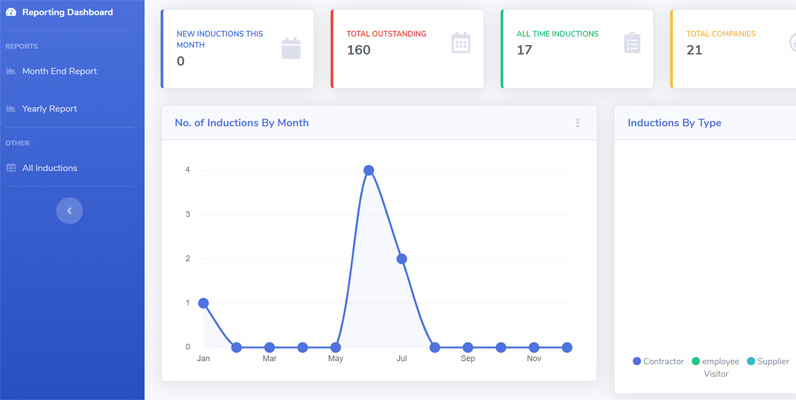 In today's high-stakes industrial and construction landscapes, your safety record and operational resilience are only as strong as your least-compliant contractor. Whether you are managing a massive infrastructure project, a high-voltage utility site, or a complex manufacturing facility, the contractor prequalification form is your primary defensive measure.
 The importance of a robust prequalification process is underscored by the rise of the "Negligent Hiring" doctrine in corporate law. In 2026, if an unqualified contractor causes a major incident on your premises, your organization can be held legally liable for failing to exercise "due diligence" during the selection process.